The Empty Chair— Short Film Trailer Art-House Drama / Magical Realism · 50s trailer (concept for a planned 3–4 min short)
Logline: An old folding chair outlives every resident it ever belonged to — a wordless meditation on routine, loss, and what objects carry after we're gone.
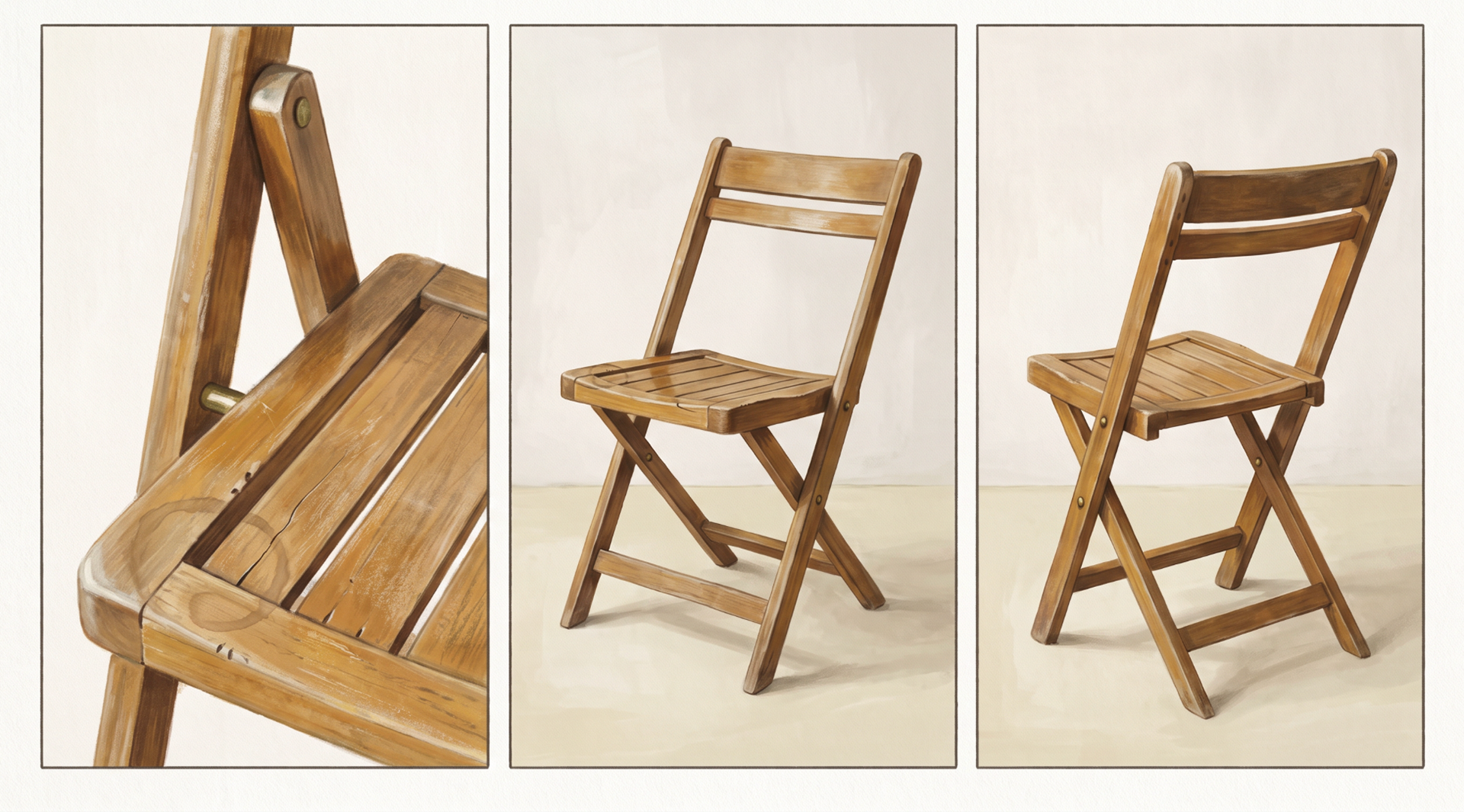
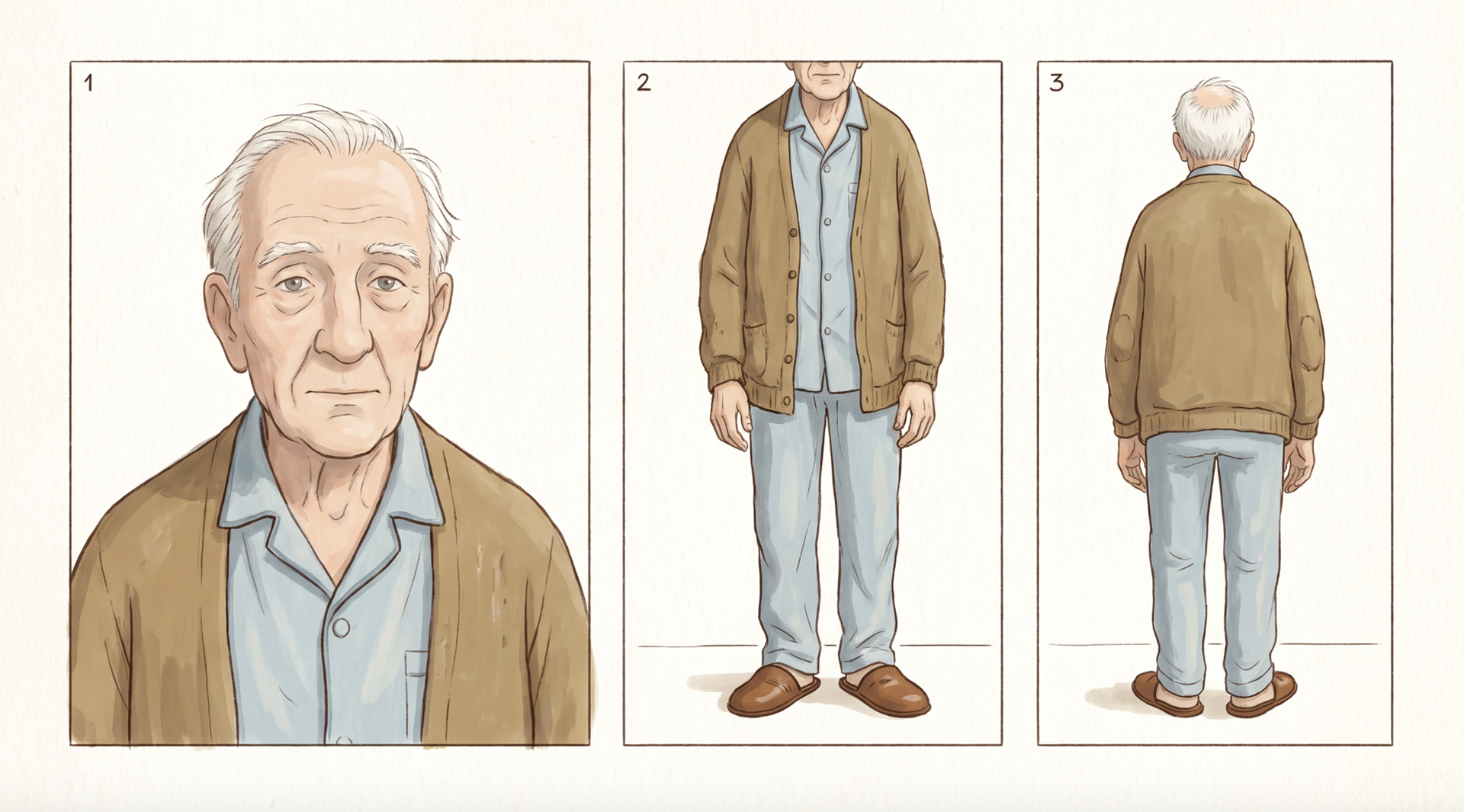
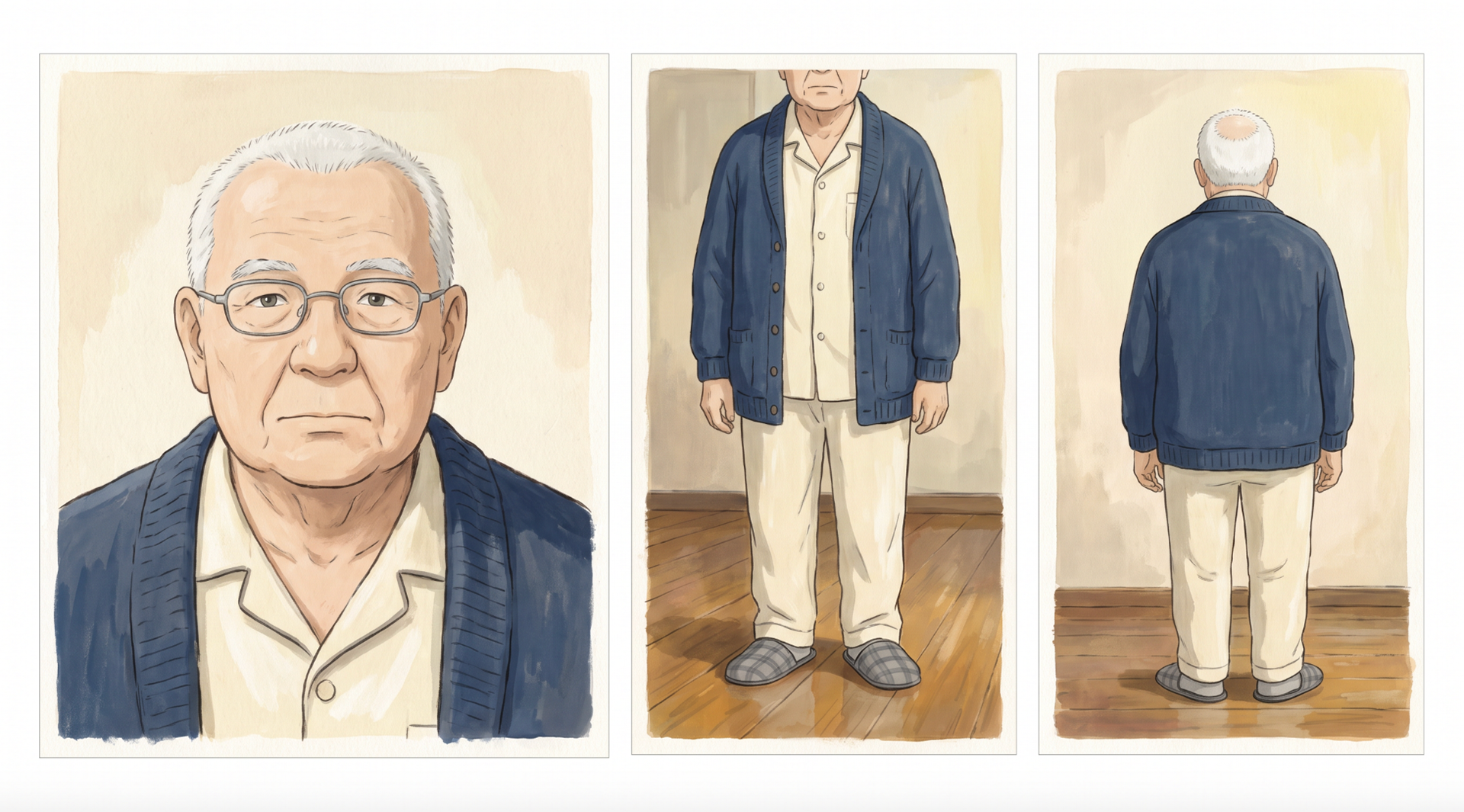
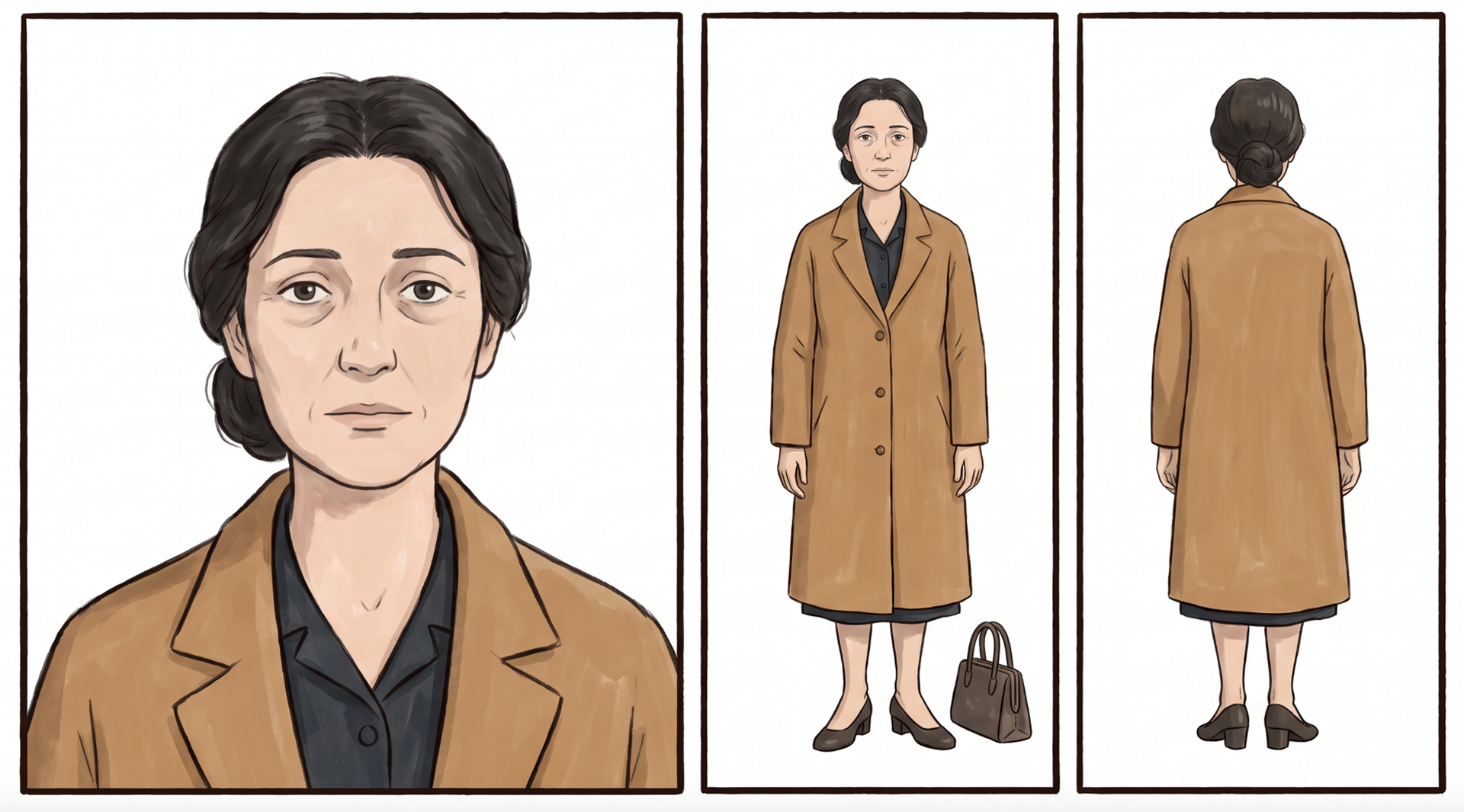
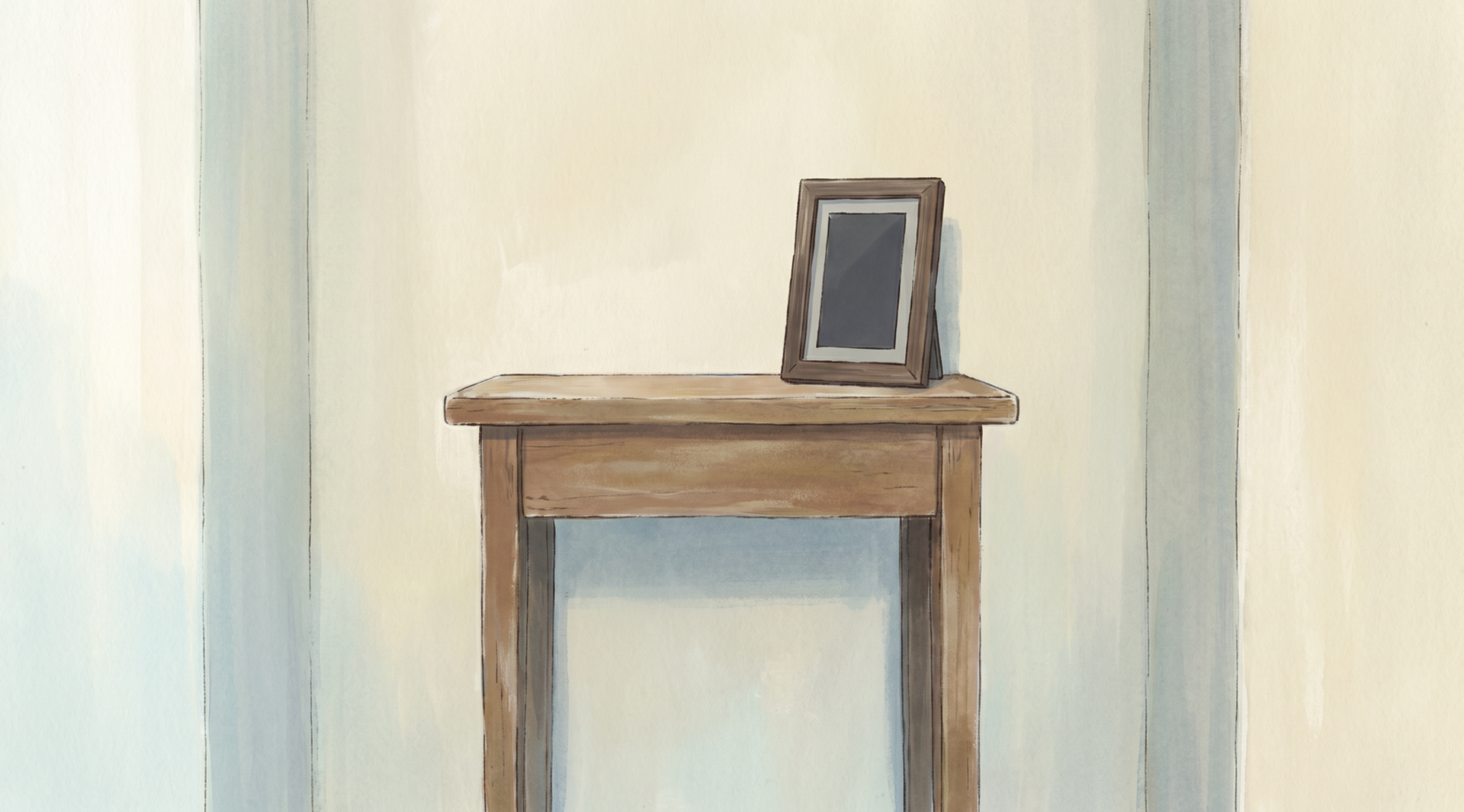
Synopsis: An elderly man in a nursing home keeps one folding chair beside him always — by his bed, under his dinner tray, out in the courtyard, across from him at gammon each evening. The chair never speaks or moves on its own; the film is told entirely through it, in how it leans, waits, and seems to hold still with something like hope. One afternoon he doesn't come back — nothing is said, only the empty hour of 3 o'clock, an untouched dawn, and his daughter's quiet arrival to gather his things. She almost leaves the chair behind. She doesn't. It ends up facing his photograph at a small memorial, and when the flowers wither, it's handed on to a new resident — the same quiet routine beginning again.
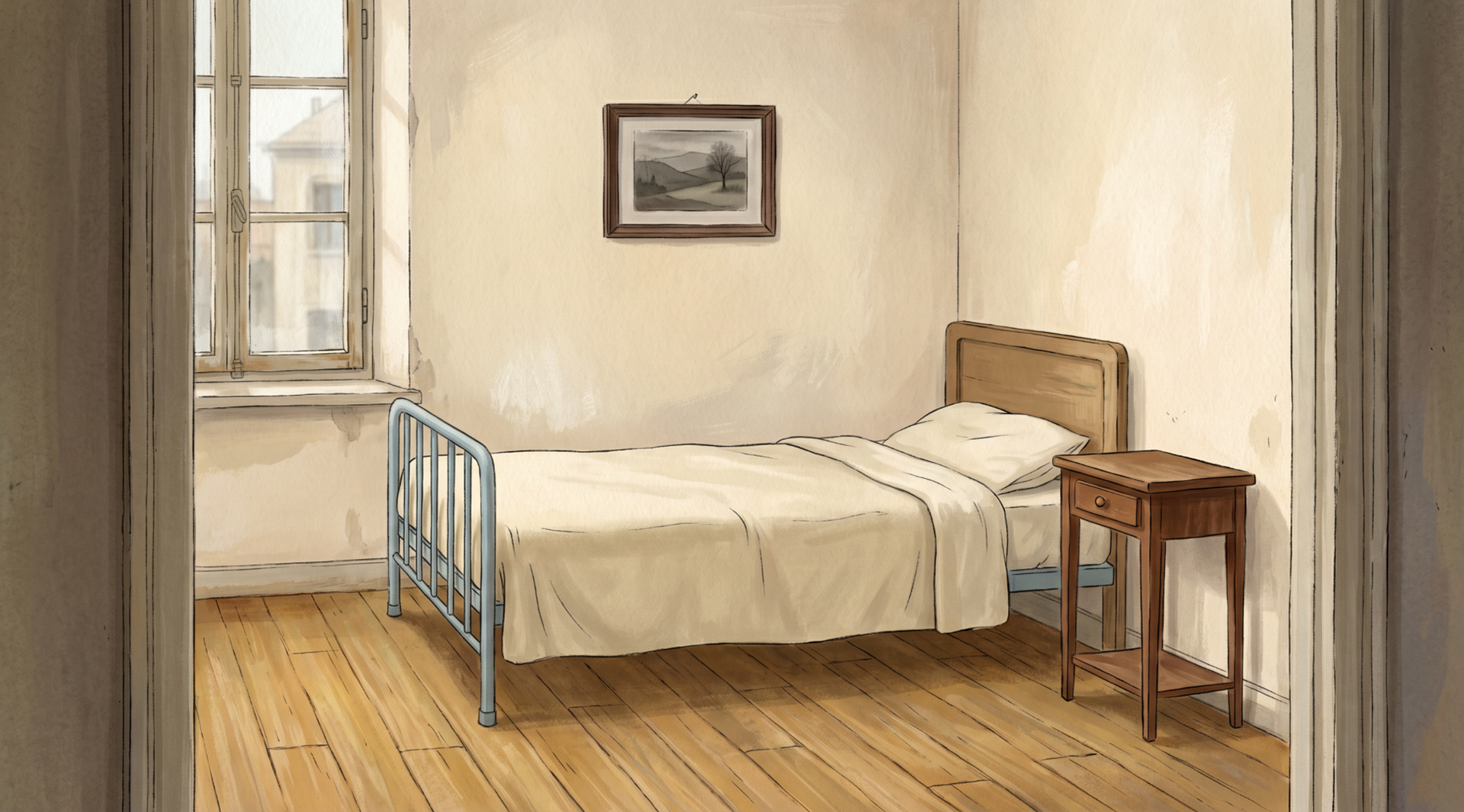
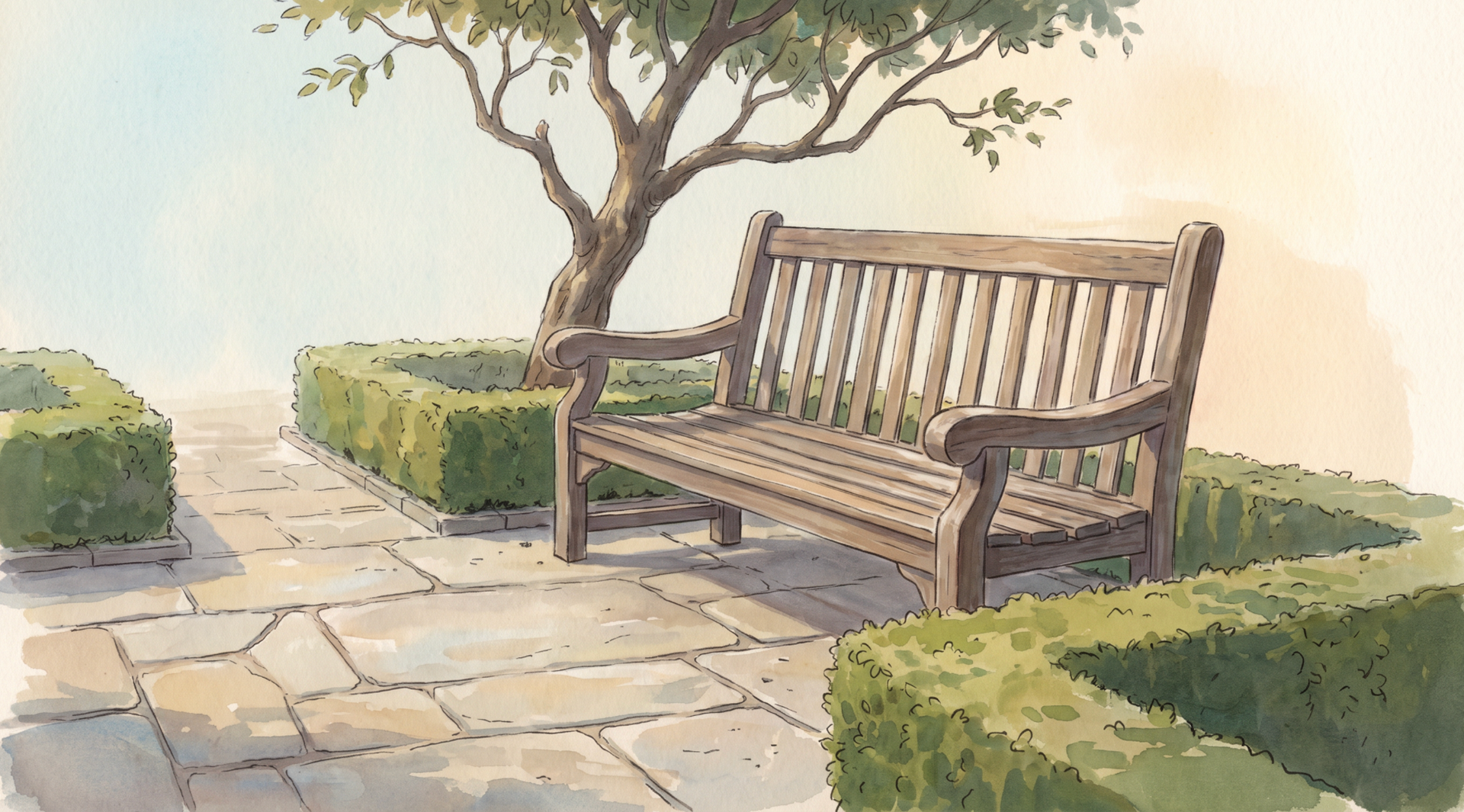
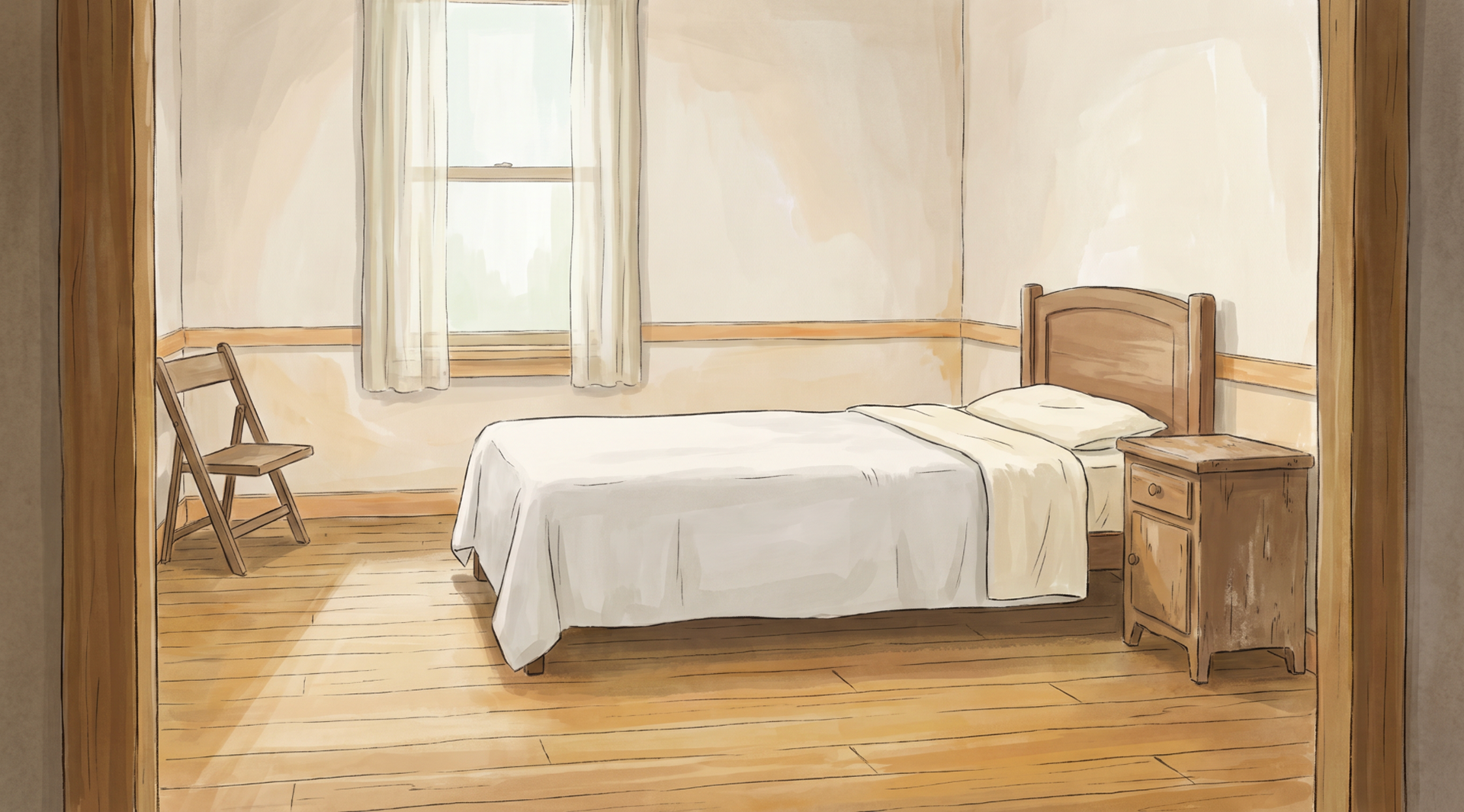
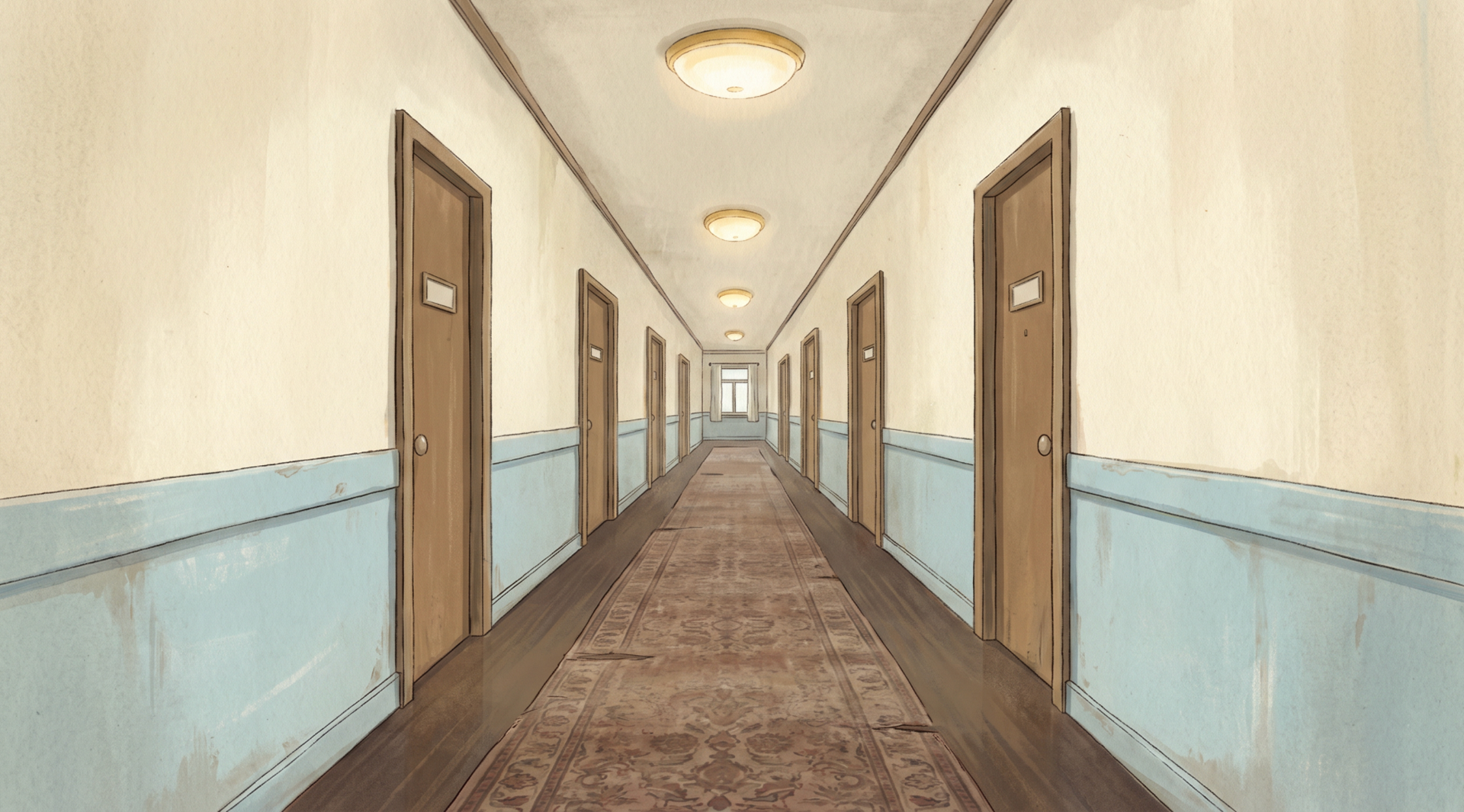
Visual direction: Hand-painted, gouache-and-watercolor 2D animation in a Sylvain Chomet-inspired register — muted, warm institutional light (soft creams, worn wood, pale hospital blue), restrained wordless tableau framing, and patient held stillness throughout, in the tradition of Ozu and Kiarostami: emotion drawn from repetition and objects, never exposition.
My role: Concept development, story and shot design, visual style direction, character and location design, and full trailer edit, iterated through multiple asset and story-note passes (chair redesign, beat pacing, and the closing hand-to-hand handoff) to match the intended tone.